
No More Dangerous Tower Climbs: How Drone Hubs Make Power Inspections Safer
Introduction: A Safer Future for Power Infrastructure Inspection
Power transmission networks are the backbone of modern society. From high-voltage towers to distribution lines, every component requires regular inspection to maintain reliable operation.
However, traditional inspection methods often expose workers to dangerous environments. Technicians may need to climb towers, enter remote areas, or work near complex electrical infrastructure. These tasks are not only time-consuming but also involve safety risks.
As utilities continue to expand their networks, relying only on manual inspection methods is becoming increasingly challenging.
This is why Drone Hub technology is transforming the way power inspections are performed.
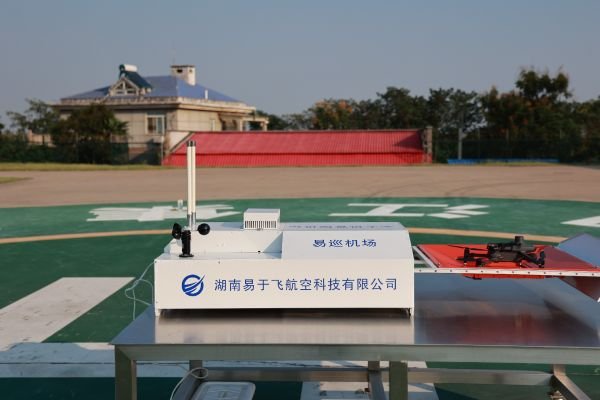
A Drone Hub combines autonomous drones, automatic charging, remote communication, and intelligent management platforms into one integrated solution. Instead of requiring operators to travel to every inspection location, a drone hub enables scheduled and remote inspection missions.
For utility companies looking to improve safety and inspection efficiency, Efly Drone Hub provides an autonomous drone inspection solution designed for industrial applications such as transmission line monitoring and infrastructure inspection.
What Is a Drone Hub?
A Drone Hub is an automated station that allows drones to operate independently for long-term inspection tasks.
Unlike traditional drone operations that require pilots to transport equipment, prepare flights, and manually manage batteries, a drone hub creates a complete autonomous workflow.
A typical industrial drone hub includes:
- Automatic drone takeoff and landing;
- Battery charging or replacement management;
- Weather-resistant protection;
- Remote communication;
- Cloud-based flight control;
- Inspection data transmission.
For power companies, this means drones can be deployed closer to inspection areas and perform regular missions based on predefined routes.
A Drone Hub for power line inspection helps transform inspection from a periodic activity into a more continuous monitoring process.
Why Power Line Inspection Needs Autonomous Drone Solutions
Power infrastructure covers large geographical areas, including mountains, forests, deserts, and remote regions.
Traditional inspection methods face several challenges:
Safety risks
Transmission tower climbing requires workers to operate at height and near electrical equipment.
Limited inspection frequency
Manual inspections depend on workforce availability, weather conditions, and transportation.
Difficult access
Some transmission corridors are located in areas that are difficult to reach quickly.
A Drone Hub system for utility inspection provides a safer alternative by allowing drones to collect visual and thermal data without requiring workers to physically access every inspection point.
The goal is not to completely replace professional technicians, but to provide a safer and more efficient method for collecting inspection information.
How a Drone Hub Enables Autonomous Power Inspection
The value of a drone hub comes from the complete workflow it creates.
1. Automated Mission Planning
Operators can create inspection routes based on transmission lines, substations, or other infrastructure locations.
Once the mission is scheduled, the drone can automatically leave the hub and perform the assigned inspection task.
2. Remote Operation and Monitoring
Through a remote management platform, operators can monitor:
- Flight status;
- Inspection progress;
- Equipment condition;
- Captured images and videos.
This allows teams to manage multiple inspection locations without being physically present at every site.
3. Automatic Return and Charging
After completing an inspection mission, the drone returns to the drone hub.
The system prepares the drone for the next operation, supporting repeated inspection tasks.
This capability is especially valuable for utilities that need regular monitoring of large-scale infrastructure.
Drone Hub for Power Line Inspection: Improving Safety and Efficiency
The application of drones in power inspection has already been demonstrated in real industrial projects.
For example, Georgia Power reported a transmission inspection project using a three-person UAS team that inspected 7,000 structure locations over eight months. The project achieved an average inspection capability of 14 miles of power lines per day and identified 5,174 abnormal conditions through drone-based inspection.
These practical applications show why utilities are increasingly exploring autonomous drone solutions.
A Drone Hub for power line inspection adds another important capability: continuous availability.
Instead of transporting drones and operators to each inspection location, companies can deploy drone hubs in strategic areas and create a distributed inspection network.
The Advantages of Using an Industrial Drone Hub
Safer Inspection Operations
The most important advantage of autonomous inspection is reducing unnecessary exposure to dangerous environments.
With a drone hub, many routine inspection tasks can be completed remotely, helping reduce the need for workers to climb towers or enter difficult locations.
Higher Inspection Frequency
Power infrastructure changes constantly.
Vegetation growth, weather impacts, and equipment aging can create new risks between scheduled inspections.
An autonomous drone hub allows companies to perform inspections more frequently based on operational needs.
Better Data Collection
Drone cameras, thermal sensors, and other payloads can capture consistent inspection data.
Repeated flights along the same route help create valuable historical records for asset management.
Remote Infrastructure Monitoring
For large utility networks, centralized monitoring is becoming increasingly important.
Multiple drone hubs can support different inspection areas while being managed through a unified platform.

Why Choose Efly Drone Hub for Power Inspection?
Industrial customers need more than just a drone. They need a complete autonomous inspection solution that can operate reliably in real-world environments.
Efly Drone Hub is designed for professional inspection scenarios, including:
- Power transmission inspection;
- Distribution network monitoring;
- Industrial facility inspection;
- Remote infrastructure management.
By combining autonomous deployment, remote operation, and intelligent inspection workflows, Efly Drone Hub helps organizations build a safer and smarter maintenance system.
For companies searching for an industrial drone hub system for power inspection, the right solution can improve operational visibility while reducing the risks associated with traditional inspection methods.
Conclusion: The Future of Power Inspection Is Autonomous
Power infrastructure will continue to grow, and inspection requirements will become more demanding.
The future of maintenance is moving toward smarter, safer, and more automated solutions.
With Drone Hub technology, utilities can create a new inspection model based on autonomous flight, remote management, and continuous monitoring.
From transmission towers to distribution networks, autonomous drone inspection is becoming an important tool for modern infrastructure management.
If you are looking for a reliable Drone Hub for power line inspection, contact Efly to explore an autonomous inspection solution for your business.