
Drone hub: The Future of Autonomous Drone Inspection and Remote Operations
Industrial inspection is changing rapidly. For decades, companies have relied on traditional inspection methods that require scheduled site visits, manual operations, and large amounts of human resources. Today, with the development of autonomous technology, a new solution is emerging: drone hub systems.
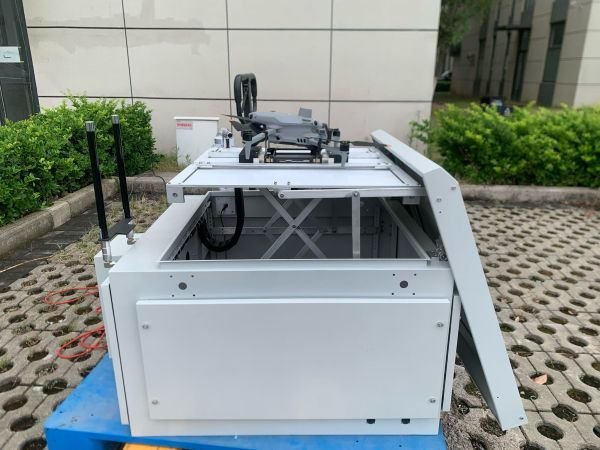
A drone hub is more than a simple drone charging station. It is an intelligent autonomous platform that integrates drone storage, automatic charging, environmental protection, remote communication, flight scheduling, and data management. Through a drone hub, industrial drones can automatically take off, complete inspection missions, return, recharge, and prepare for the next operation.
For industries such as power grids, oil and gas, transportation, construction, mining, and public safety, drone hub inspection is becoming an important way to improve operational efficiency and build smarter inspection systems.
What is a Drone Hub?
A drone hub is an automated base station designed for unmanned aerial vehicle operations. It provides a fixed location where drones can land, recharge, store data, and receive mission instructions.
Unlike traditional drone operations that require operators to prepare equipment before every flight, a drone hub enables a more automated workflow:
- Remote mission planning
- Automatic drone takeoff and landing
- Autonomous inspection routes
- Real-time data transmission
- Intelligent inspection analysis
This closed-loop operation is the foundation of modern autonomous drone inspection.
In recent years, companies and research organizations have explored drone-in-a-box solutions that combine docking infrastructure, autonomous flight, and AI-based analysis. Regulatory frameworks for commercial drone operations are also developing worldwide, with organizations such as the Federal Aviation Administration (FAA) providing guidance on safe drone operations and airspace management.Some commercial systems already support automatic deployment, remote monitoring, and repeated inspection missions.
For businesses looking for long-term unmanned inspection capability, a drone hub is not only a hardware product but also an infrastructure upgrade.
Why Drone Hub Inspection Is Becoming Important
Many industrial assets are distributed across large areas. Power transmission lines, pipelines, highways, railways, and industrial parks require frequent monitoring.
Traditional inspection methods often face several challenges:
1. Difficult inspection environments
Many inspection locations involve high altitude, complex terrain, extreme weather, or hazardous environments. Sending personnel into these areas increases operational difficulty.
A drone hub allows inspection drones to stay close to important assets and perform scheduled missions automatically.
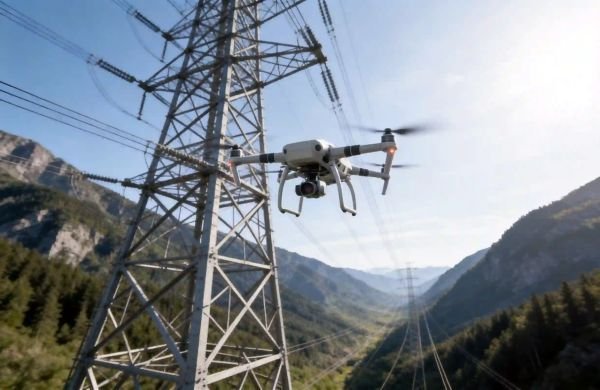
For example, in power grid scenarios, drones can regularly inspect towers, cables, and equipment conditions while reducing unnecessary site visits.
2. Low inspection frequency
Many assets cannot be continuously monitored because manual inspections require time and manpower.
With drone hub inspection, companies can create automatic inspection schedules. The drone can perform routine flights according to predefined routes and collect consistent inspection data.
This is especially valuable for:
- Transmission line inspection
- Solar farm inspection
- Mining area monitoring
- Smart city management
- Industrial security patrols
3. Data management challenges
Modern inspection is not only about capturing images. The real value comes from analyzing data and discovering potential problems.
A complete drone hub system connects flight data, images, videos, and AI analysis platforms, helping companies move from simple data collection to intelligent decision-making.
How Efly Drone Hub Enables Autonomous Inspection
As industrial applications continue to expand, companies need drone infrastructure that can operate reliably in real-world environments.
Efly drone hub is designed for autonomous drone operations, combining an industrial-grade enclosure, automatic drone management, remote communication, and intelligent inspection workflow.
The working process of an Efly drone hub includes:
Step 1: Remote mission planning
Operators can create inspection tasks remotely through a management platform.
Flight routes, inspection areas, and operation schedules can be configured in advance.
Step 2: Automatic drone deployment
When a mission starts, the drone automatically leaves the drone hub and flies according to the planned route.
This allows inspection teams to manage multiple inspection points from a centralized location.
Step 3: Intelligent inspection data collection
During flight, drones collect high-resolution images, videos, thermal data, or other sensor information depending on application requirements.
For industries such as energy and infrastructure, this data provides valuable information for maintenance decisions.
Step 4: Automatic return and preparation
After completing the mission, the drone returns to the drone hub, where it can recharge and prepare for the next inspection.
This automation creates a continuous inspection cycle.
Drone Hub Applications Across Industries
Power Grid Inspection
Power infrastructure requires regular monitoring because equipment failures can cause significant operational problems.
A drone hub allows utilities to deploy drones near critical areas and conduct regular drone airport inspection missions for:
- Transmission towers
- Substations
- Distribution networks
- Power corridors
The combination of autonomous flight and AI analysis helps maintenance teams identify abnormal conditions earlier.
Industrial Park and Security Monitoring
Large industrial parks often cover extensive areas that require continuous monitoring.
With an Efly drone hub, enterprises can establish automated patrol systems that support:
- Perimeter monitoring
- Equipment inspection
- Safety management
- Emergency response
Remote operations allow managers to understand site conditions without being physically present.
Transportation Infrastructure Inspection
Bridges, railways, highways, and tunnels require regular inspection.
Drone hub systems provide a flexible solution by allowing drones to operate from fixed locations near critical infrastructure.
Repeated autonomous inspection missions can help collect consistent data over time, creating a digital record of asset conditions.
The Future of Autonomous Drone Inspection
The future of industrial inspection will not simply depend on better drones. It will depend on complete autonomous systems that combine drones, docking stations, software platforms, and artificial intelligence.
A drone hub represents this evolution.
Instead of treating drones as individual tools, companies can build permanent aerial inspection networks.
With continuous improvements in AI recognition, communication technology, and automation systems, drone hub solutions will continue expanding into more industries.
For companies searching for reliable autonomous inspection solutions, choosing the right drone infrastructure partner is becoming increasingly important.
Efly drone hub provides an integrated approach for businesses that want to explore automated inspection, remote operations, and intelligent asset management.
If you are looking for a professional drone hub solution for industrial inspection applications, welcome to contact Efly and discuss your project requirements.